You have noticed a pattern with posture, sport, a school bag or the way your child moves.

Back to Resources
Children, families and healthy movement
When You Want To Understand How Your Child Is Moving
Parents usually do not arrive with a diagnosis. They arrive with a question: is this normal, is there something worth checking, or could my child be moving more comfortably and confidently?
The part that can be hard to say out loud
A parent’s concern is often quiet before it has a name.
“I want to know whether this is worth checking, without overreacting.”
Parents often notice something small before they can explain it: a child who avoids a movement, seems uncomfortable after sport or is finding their school routine harder. The worry is usually quiet, but it deserves a calm conversation.
Does this sound familiar?
Sometimes the hardest part is how quietly life changes around it.
Your child has mentioned discomfort, but it is hard for them to explain what it feels like.
You want a calm conversation, not someone rushing to label or treat your child.
What might be contributing?
Children Are Not Small Adults
Children are growing, learning new skills and changing quickly. Their movement, history, sport, school routine and family questions all need to be considered in age-appropriate ways.
Assessment is gentle, conversational and designed to help parents understand the findings and the options clearly.
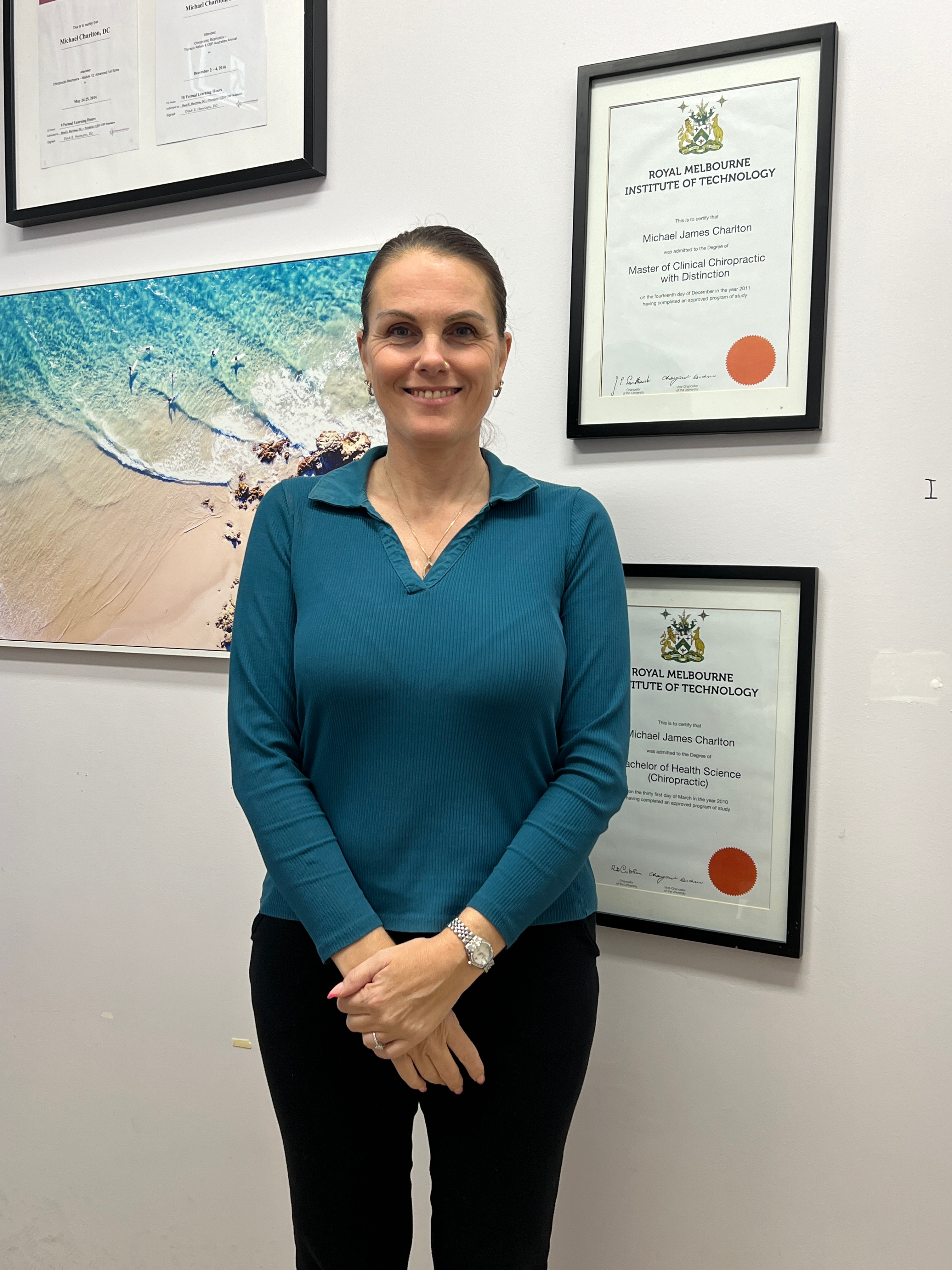
What Dr Charlton assesses
Before recommendations, we take time to look at the whole picture.
Not every person needs every test or every approach. The assessment is shaped around what has been happening, what matters to you, and what the findings suggest is appropriate.
- The concern you and your child have noticed
- Relevant movement, posture and activity patterns
- Growth, sport, school and previous health history
- Whether GP, paediatric or other professional input is appropriate
Practical questions, answered
A clear process before any care is recommended.
What happens at the complimentary consultation?
Your first visit starts with a complimentary consultation with Dr Charlton. He will listen to what has been happening, how it is affecting your life and what you would like to get back to. If it appears he may be able to help, he will then conduct a thorough examination relevant to your symptoms, health history and goals, before explaining the findings and appropriate next steps in plain language.
What testing might be relevant?
A child’s visit begins with the parent’s concerns, relevant history and gentle, age-appropriate observation of movement, posture and activities. Imaging is not routine for a child’s musculoskeletal concern. If a medical, developmental or imaging assessment is indicated, this will be discussed clearly and coordinated through your GP, paediatrician or another appropriate clinician.
When might another pathway be better?
Parents remain involved throughout the visit. GP, paediatric, physiotherapy or other input may be recommended if a concern involves development, ongoing pain, a suspected structural issue or another non-musculoskeletal explanation. Fever, unexplained night pain, inability to bear weight, sudden weakness or significant injury need prompt medical assessment.
What care could involve
A plan should make sense for your body and your life.
If care is appropriate, it is adapted to the child and may involve movement advice, simple exercises, practical home or school strategies, and communication with parents. Referral is recommended when another pathway is more suitable.
Keep exploring
Helpful next reads, when you are ready.
Common questions
A few things people often want to know.
What happens at a child’s first visit?
It begins with a parent-and-child conversation, relevant history and age-appropriate assessment. We explain what we find before discussing whether any care is appropriate.
Can I stay with my child?
Yes. Parents are welcome to be involved throughout the appointment.
What happens at my first visit for children?
Your first visit starts with a complimentary consultation with Dr Charlton. He will listen to what has been happening, how it is affecting your life and what you would like to get back to. If it appears he may be able to help, he will conduct a thorough examination relevant to your symptoms, health history and goals, then explain the findings and appropriate next steps in plain language.
What tests might I need for children?
A child’s visit begins with the parent’s concerns, relevant history and gentle, age-appropriate observation of movement, posture and activities. Imaging is not routine for a child’s musculoskeletal concern. If a medical, developmental or imaging assessment is indicated, this will be discussed clearly and coordinated through your GP, paediatrician or another appropriate clinician.
When might medical referral be appropriate for children?
Parents remain involved throughout the visit. GP, paediatric, physiotherapy or other input may be recommended if a concern involves development, ongoing pain, a suspected structural issue or another non-musculoskeletal explanation. Fever, unexplained night pain, inability to bear weight, sudden weakness or significant injury need prompt medical assessment.
A considered next step
Book a complimentary consultation in Redbank.
Visit Charlton Chiropractic at Shop 6/59 Brisbane Road, Redbank QLD 4301. We can take time to understand what has been happening, explain what we find in plain language, and discuss whether chiropractic care, another health pathway, or simply more information makes sense for you.
You can book your first consultation online, or call 07 3483 0485 if you would prefer to speak with the clinic first.
Book Your First Consultation