You have been reading your scan report, or replaying the injury, and wondering what it means for everyday life.

Back to Resources
Disc bulge, back injury and confidence in movement
When A Disc Bulge Or Back Injury Starts Shaping Your Day
Being told you have a disc bulge, reading it on a scan report, or hurting your back during an ordinary lift can make the future feel suddenly smaller. People often become afraid to bend, lift, exercise or even trust a normal ache.
The part that can be hard to say out loud
A scan result or back injury can make the future feel more fragile than it needs to.
“I want to understand the scan without letting it define me.”
A scan result or a back injury can follow you into everyday decisions—whether to lift something, exercise, bend down or simply trust your body. It is understandable when words on a report, or one difficult movement, start to feel much bigger than the life you want to get back to.
Does this sound familiar?
Sometimes the hardest part is how quietly life changes around it.
You are avoiding movement because you do not want to make things worse.
The result or injury has taken up more space in your mind than the practical question of what you can do next.
What might be contributing?
A Scan Or Injury Is Important Information, Not The Entire Person
Imaging findings and back injuries need to be considered alongside your symptoms, history, neurological signs, movement and goals. Not every scan finding explains every symptom, and not every person with a similar history needs the same plan.
The point of a careful conversation is to put what has happened in context—not minimise it, and not let it define you.
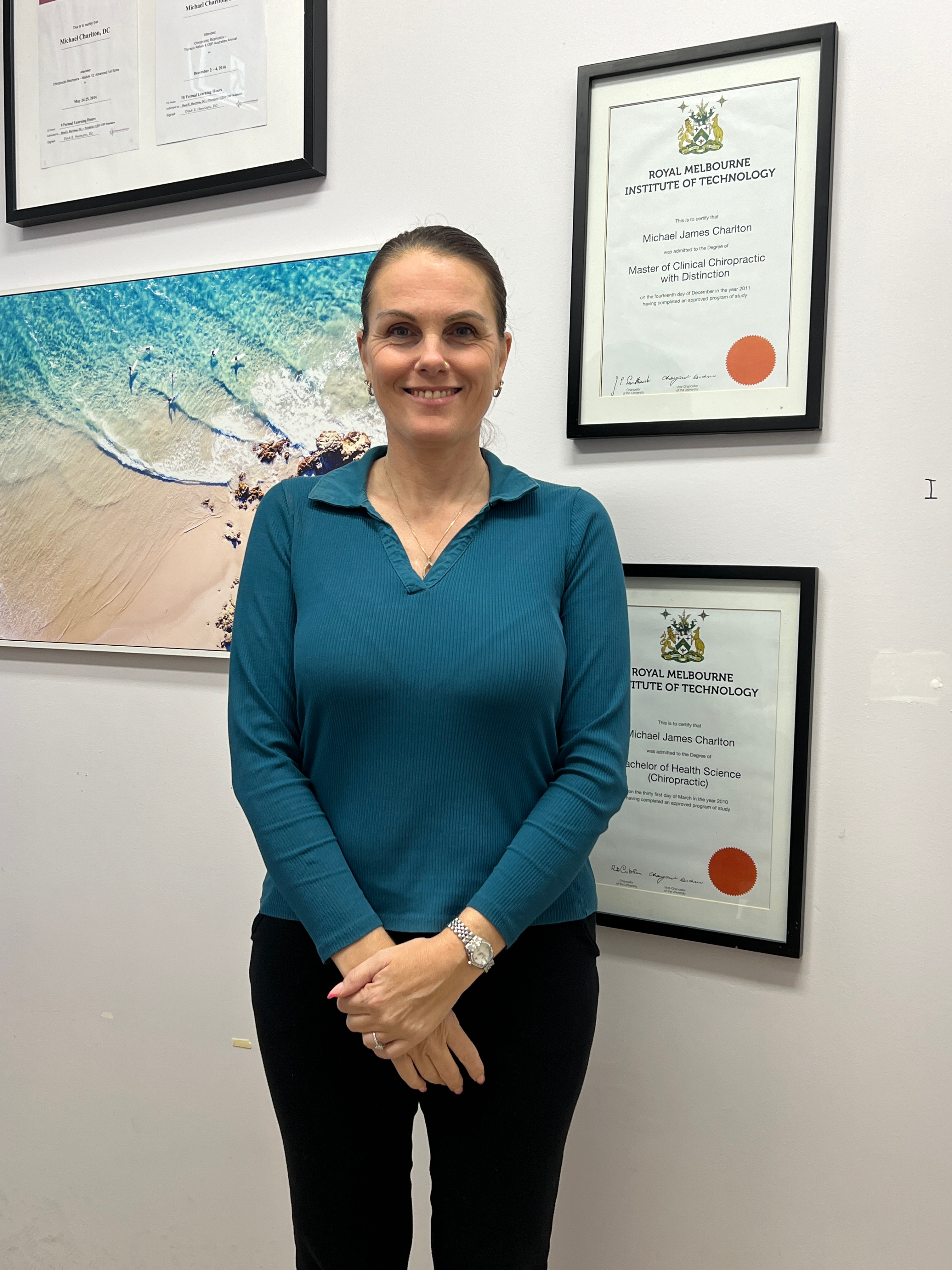
What Dr Charlton assesses
Before recommendations, we take time to look at the whole picture.
Not every person needs every test or every approach. The assessment is shaped around what has been happening, what matters to you, and what the findings suggest is appropriate.
- Your symptoms, relevant scan or injury history and concerns
- Relevant movement and neurological findings
- What daily activities now feel uncertain
- Whether co-management, referral or further medical review is appropriate
Practical questions, answered
A clear process before any care is recommended.
What happens at the complimentary consultation?
Your first visit starts with a complimentary consultation with Dr Charlton. He will listen to what has been happening, how it is affecting your life and what you would like to get back to. If it appears he may be able to help, he will then conduct a thorough examination relevant to your symptoms, health history and goals, before explaining the findings and appropriate next steps in plain language.
What testing might be relevant?
If you have a scan or injury history, Dr Charlton will consider it alongside your current symptoms, movement, nerve-function findings and daily-life goals. A scan result alone does not determine the plan. New imaging is not automatic; on-site digital X-rays may be considered for relevant bony findings, while MRI or other investigations are usually coordinated through your GP when clinically indicated.
When might another pathway be better?
Dr Charlton may recommend GP review, specialist assessment, further investigation or shared care if the findings suggest a different pathway. Back or neck pain with loss of feeling or movement, numbness around the groin, or bladder or bowel changes needs urgent medical assessment. Fever, significant trauma or pain that is markedly worsening also warrants prompt medical review.
What care could involve
A plan should make sense for your body and your life.
If chiropractic care is appropriate, recommendations may focus on tolerable movement, confidence, mobility, strength and a gradual return to meaningful activity—not a one-size-fits-all protocol.
Severe or progressive neurological symptoms need prompt medical assessment. We will advise clearly if that is the appropriate next step.
Keep exploring
Helpful next reads, when you are ready.
Common questions
A few things people often want to know.
Does a disc bulge always need surgery?
No single scan finding determines the right plan for everyone. Decisions should be made with appropriate medical guidance, based on symptoms and individual findings.
Can a back injury and a disc bulge feel similar?
They can share symptoms for some people, but a label or scan alone does not explain every person’s experience. A careful history and assessment help decide what is most relevant and whether further medical review is needed.
Can I still move and exercise?
Often a gradual, individually appropriate return to movement is part of a plan, but the right approach depends on your assessment and current symptoms.
What happens at my first visit for disc bulge?
Your first visit starts with a complimentary consultation with Dr Charlton. He will listen to what has been happening, how it is affecting your life and what you would like to get back to. If it appears he may be able to help, he will conduct a thorough examination relevant to your symptoms, health history and goals, then explain the findings and appropriate next steps in plain language.
What tests might I need for disc bulge?
If you have a scan or injury history, Dr Charlton will consider it alongside your current symptoms, movement, nerve-function findings and daily-life goals. A scan result alone does not determine the plan. New imaging is not automatic; on-site digital X-rays may be considered for relevant bony findings, while MRI or other investigations are usually coordinated through your GP when clinically indicated.
When might medical referral be appropriate for disc bulge?
Dr Charlton may recommend GP review, specialist assessment, further investigation or shared care if the findings suggest a different pathway. Back or neck pain with loss of feeling or movement, numbness around the groin, or bladder or bowel changes needs urgent medical assessment. Fever, significant trauma or pain that is markedly worsening also warrants prompt medical review.
A considered next step
Book a complimentary consultation in Redbank.
Visit Charlton Chiropractic at Shop 6/59 Brisbane Road, Redbank QLD 4301. We can take time to understand what has been happening, explain what we find in plain language, and discuss whether chiropractic care, another health pathway, or simply more information makes sense for you.
You can book your first consultation online, or call 07 3483 0485 if you would prefer to speak with the clinic first.
Book Your First Consultation